
The WasteED Project - Laya
Music, Livelihood, and Dignity for Waste-Picking Communities
Alternate Livelihoods
Participatory Research
Social Design
In collaboration with:

Featured in:


Project Guides:
Junuka Deshpande, Swati Maskeri
Project Goal:
To explore the carnatic folk music and natakas of the informal waste picking communities of Sajjepalya and Summanahalli, and look at their skill and art as an opportunity for reinforcing dignity, creating an alternate livelihood, and creating a space of sharing within the community and beyond.

Musical instruments crafted from collected waste material. Image credits: Saoirse Tope
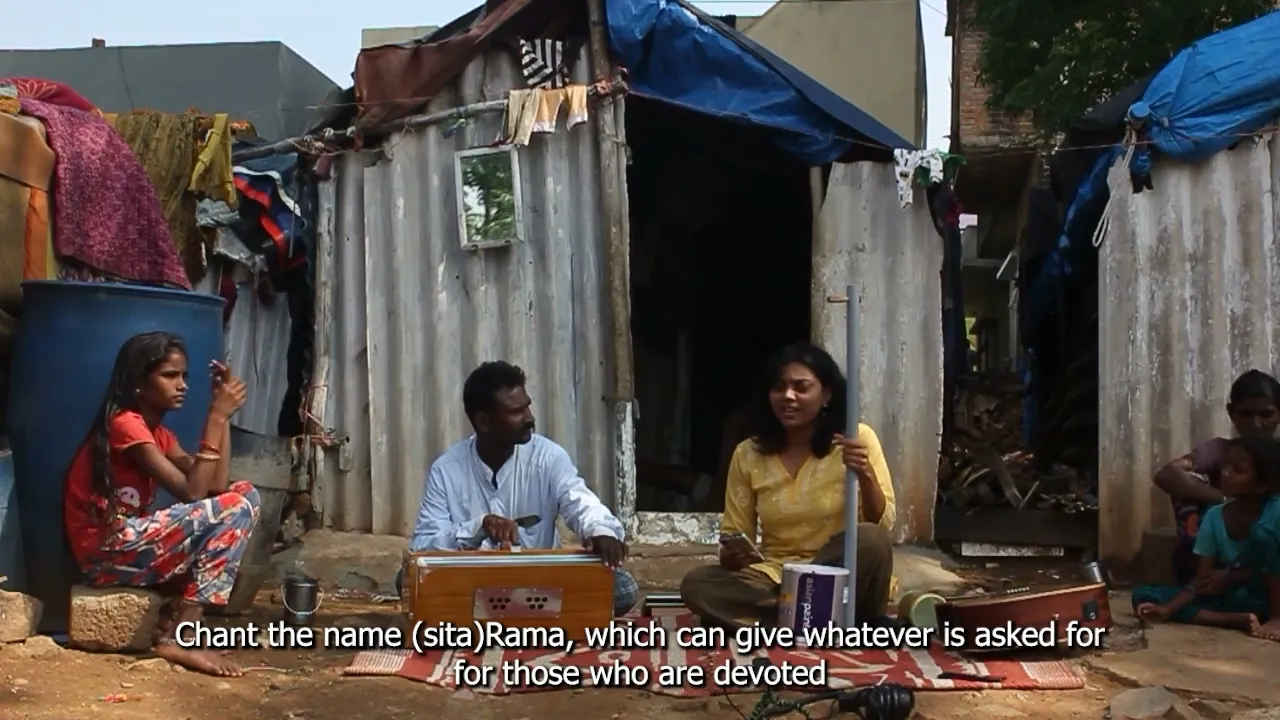
Two performances with Devanna, a community member in Sajjepalya
View more musical performances here:

Participatory research with the community to generate insights

Ideating and making musical instruments from waste inspired by their tradition

Mobilising the community to perform and play

Designing a website, branding, and proposing a business model
Design Impact and Validation
This project successfully leveraged cultural heritage as an economic asset, moving from field research to a validated real-world intervention.
Awarded Prestigious Grant: LAYA won the BIC B.Lore Grant, with the documentation film officially archived as part of their program.
Direct Financial Impact: The grant amount of ₹20,000 INR was directly awarded to a participating community member (Devanna), providing a tangible early-stage financial testament to the model.
Media Coverage: The initiative and its impact were featured in the Bangalore Mirror (print and online).
The Challenge: Dignity vs. Survival
The informal waste-picking communities of Bengaluru face a dual crisis: the gradual loss of their deep cultural identity and persistent social stigma.
Fading Heritage
These communities are historically the Chennadasarus, traditional singers and performers of Carnatic folk music. This rich cultural heritage is disappearing because the rigorous, low-income labor of waste picking forces time and energy to be prioritized entirely for survival.
Social Stigma:
Urban residents, who are the "waste creators," often perceive the community negatively (as violent, undignified, or uneducated), leading to avoidance and discrimination. This perpetual disrespect fuels a cycle of low social status.
The project aimed to resolve this conflict by validating their traditional art as a source of contemporary value and sustainable income.
Participatory Research: Deep Ethnographic Study
Immersion into the physical and social context of the slum meant knowing as much as we could about various aspects of living for different members within families. It included collecting baseline information, utilities and usage, interaction with physical space in and around the settlement, collecting tangible and intangible information.
The initial phase mapped the cognitive, physical, and financial reality of the work to define the problem scope. A few of the activities we conducted are as follows.
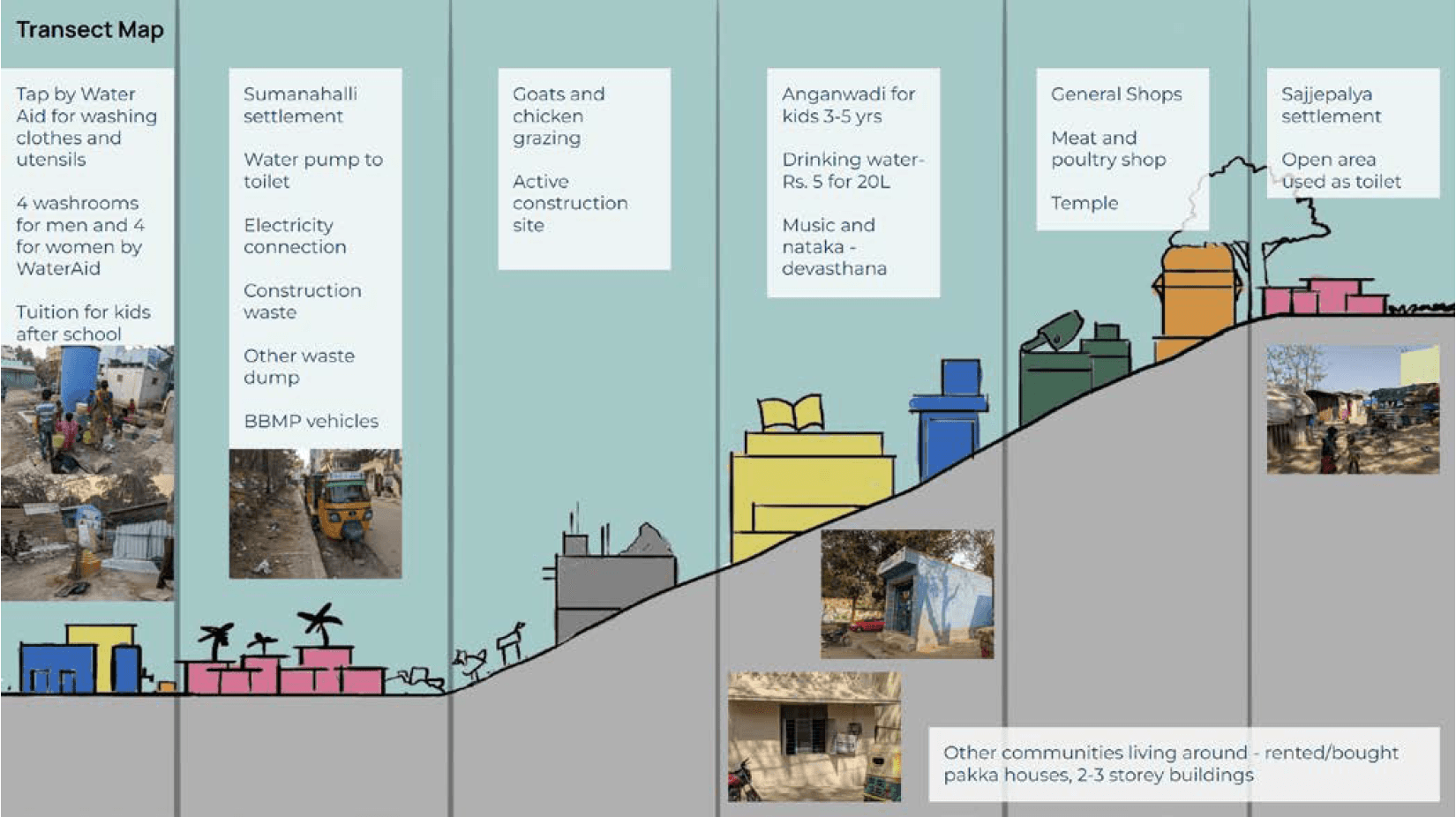
Transect Mapping helps to know what's around the place
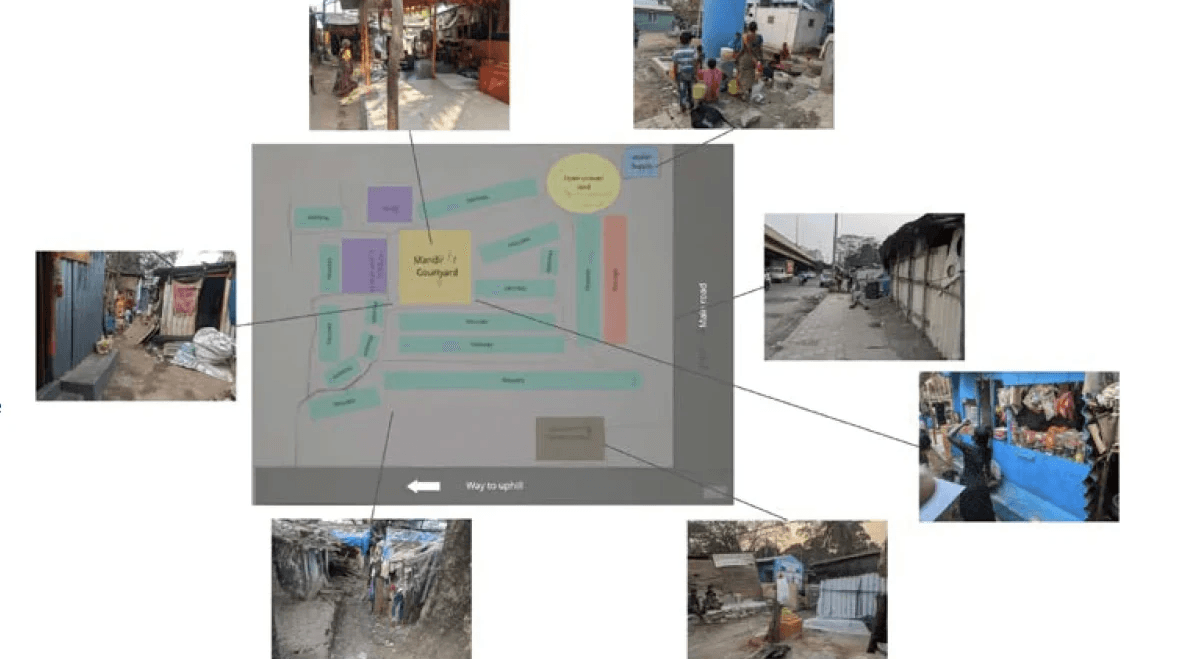
Participatory photo walks help document important landmarks.
Shadowing Exercise
We conducted multi-day shadowing, accompanying waste pickers on their routes to map the grueling 5:00 AM start, the complex planning, the coordination, and the intense physical effort. This proved the job requires calculation and cooperation rather than simple scavenging.
Walking along highways in search of informal dumps
Sorting waste in smaller batches before moving it to the settlement
Economic Analysis
Mapped seasonal income fluctuations, establishing that daily earnings (averaging ₹300–₹400) are highly vulnerable to weather.
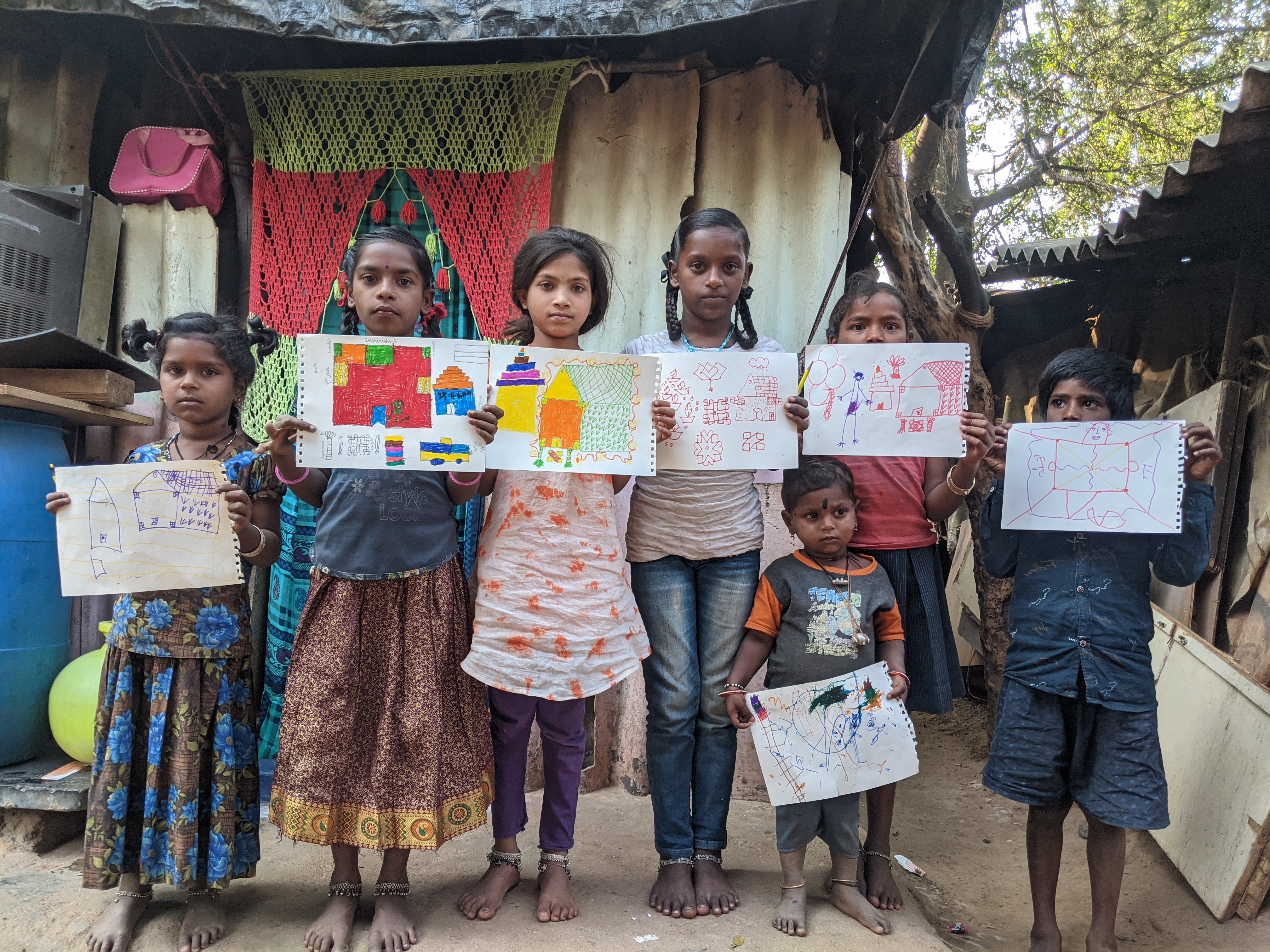
Baseline survey and asset mapping activity with kids
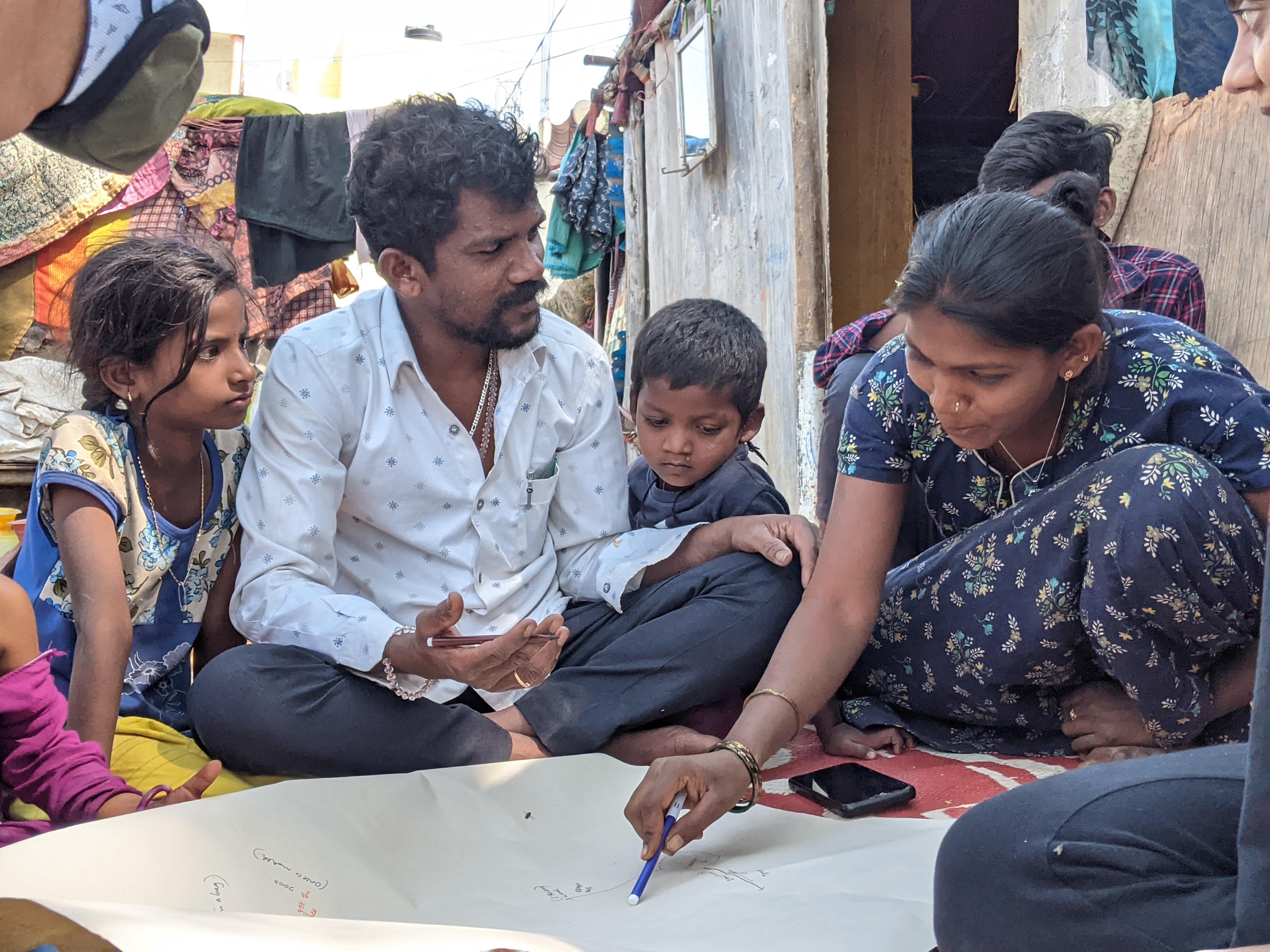
Mobility mapping to know access to services
Persona Identification
Identified community members with latent skills, such as Devanna, a trained musician who quit due to caste-based discrimination, confirming the need for a dignified economic outlet for their skills.
Co-Creating Melodies: Building with and for the Community
The process pivoted to first mobilize the community from within by building confidence and willingness to practice.
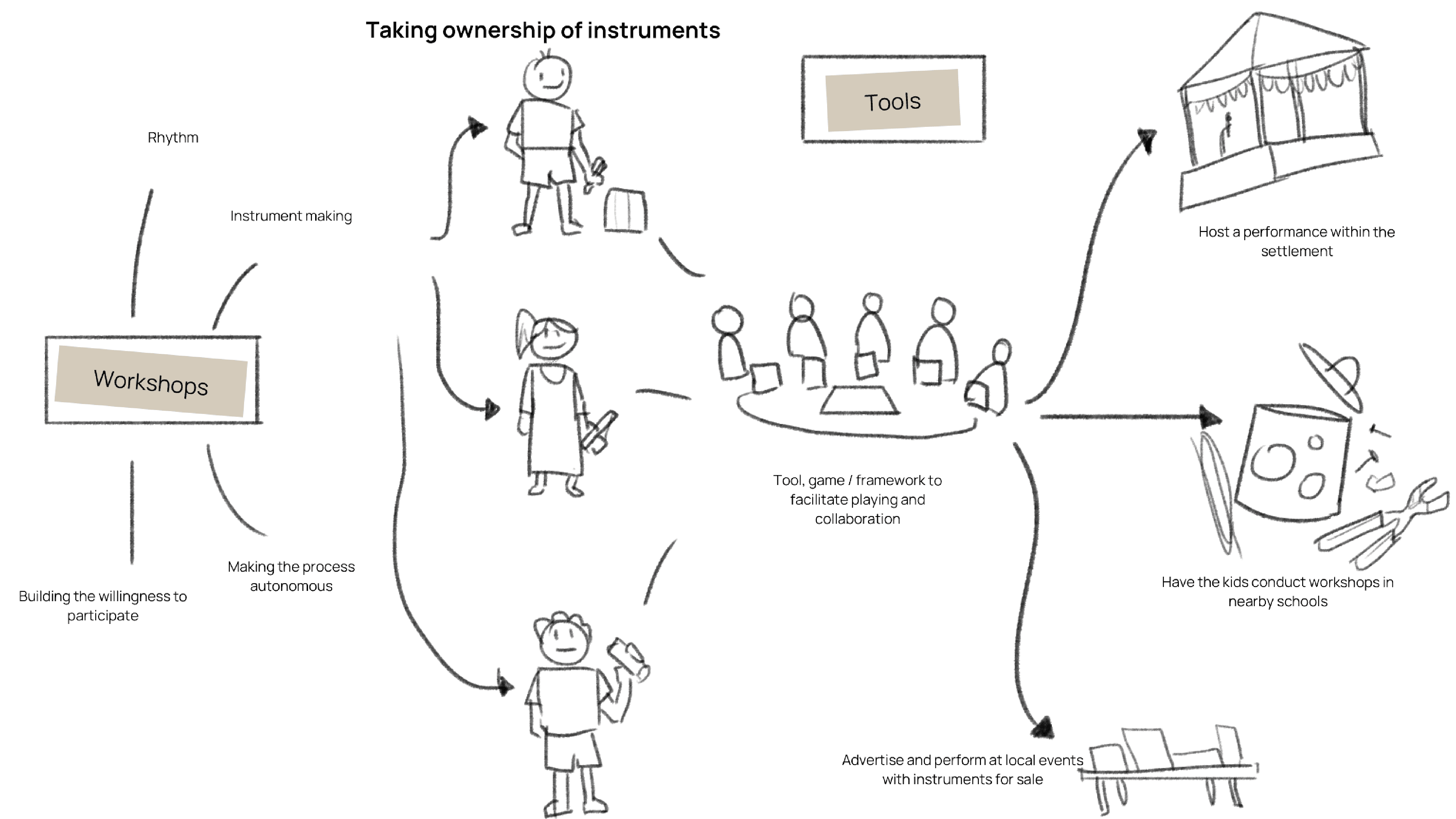
An imagination of a fully mobilized community
Workshops
Conducted Body Percussion and Waste Drum Circles with children. The enthusiasm and patience for rhythmic learning existed, but not necessarily the skill. For the scope of the project, I decided to work with adults with a foundational amount of musical training.
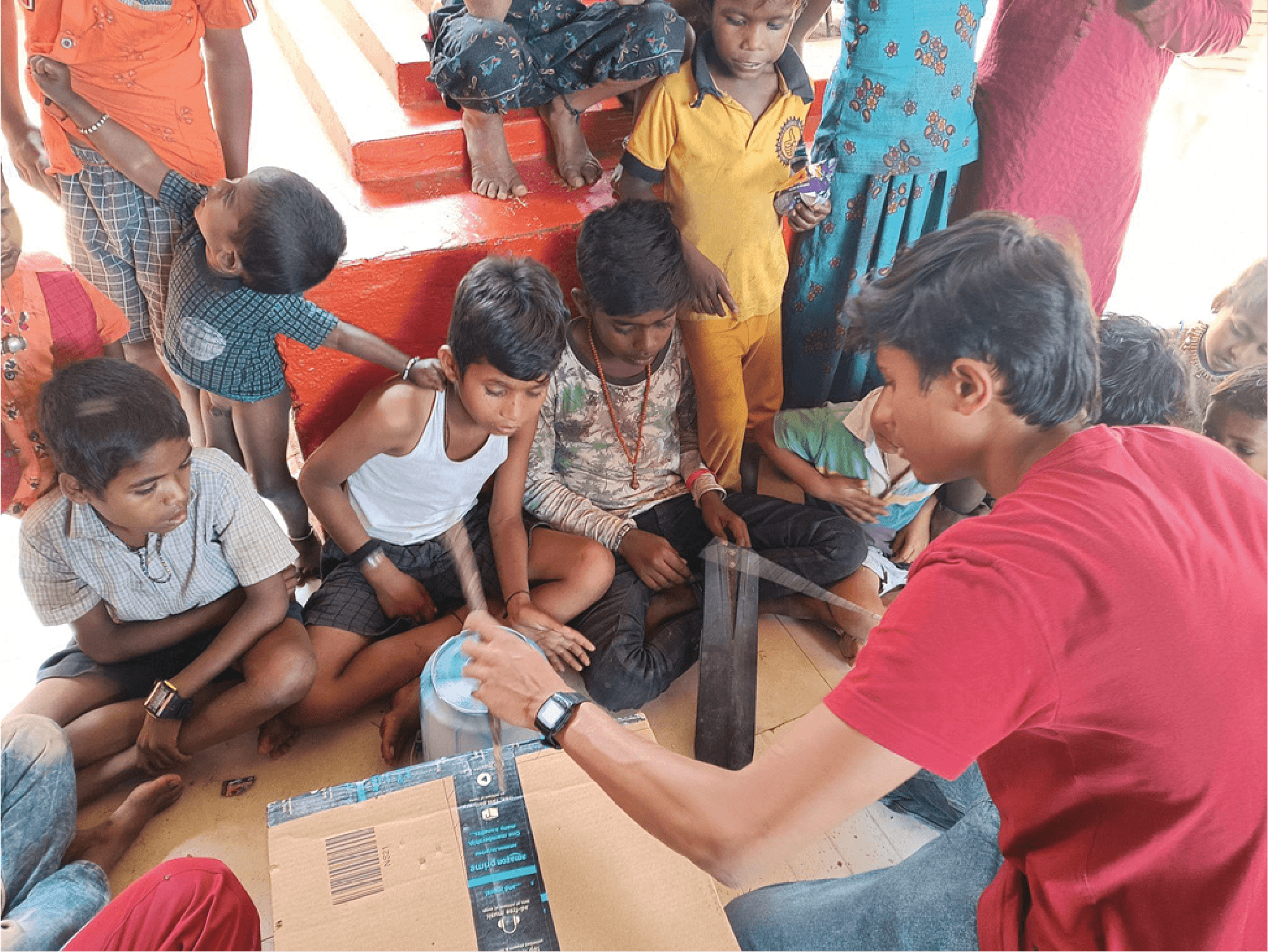
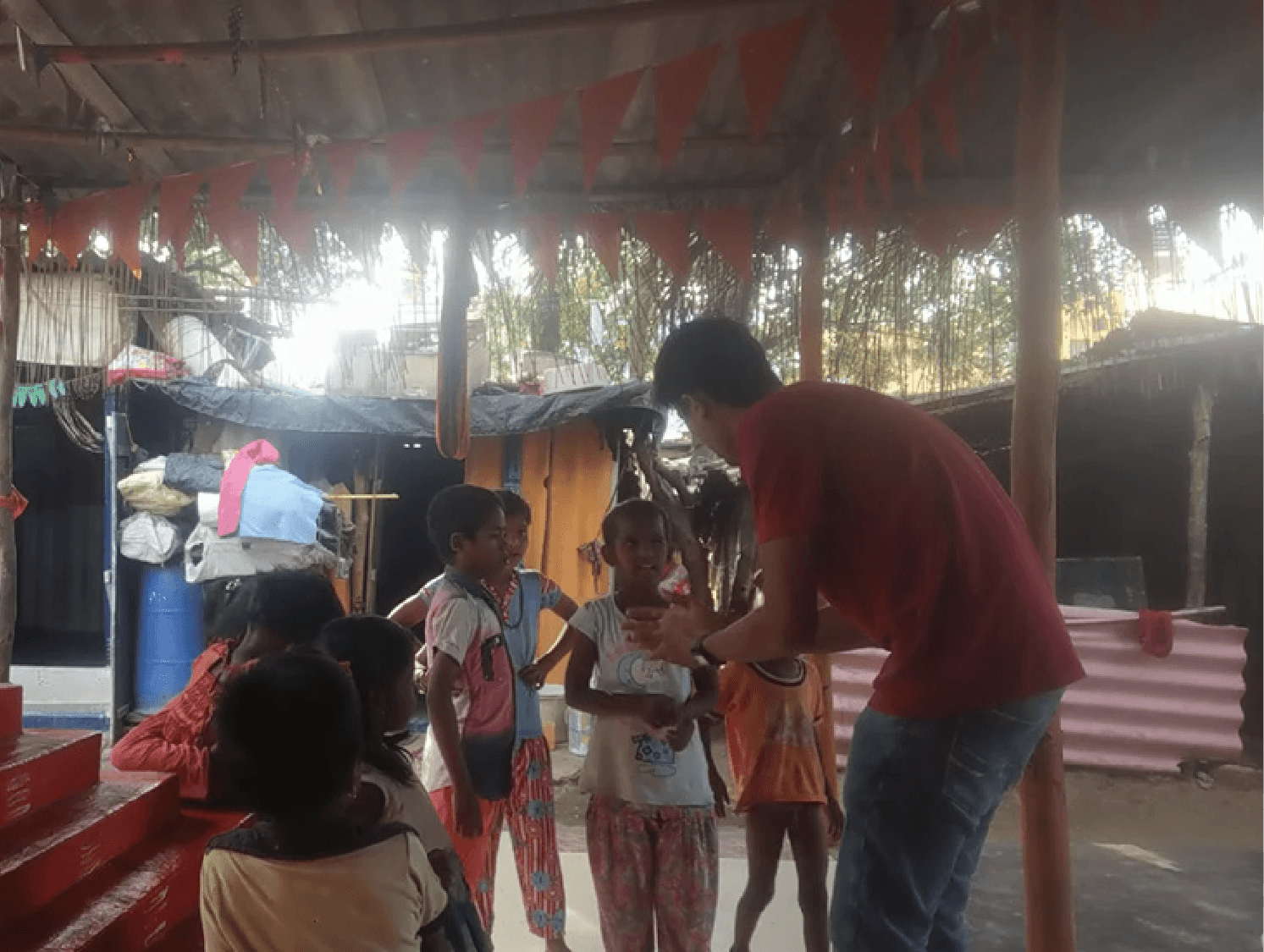
Workshops in the settlement: Assessment of skill, inclination and interest across age groups and genders
Material Exploration for Instrument Making
Explored the acoustic properties (elasticity, resonance) of waste materials collected on their routes (metal cans, plastic, cardboard) to determine viability for instrument construction.
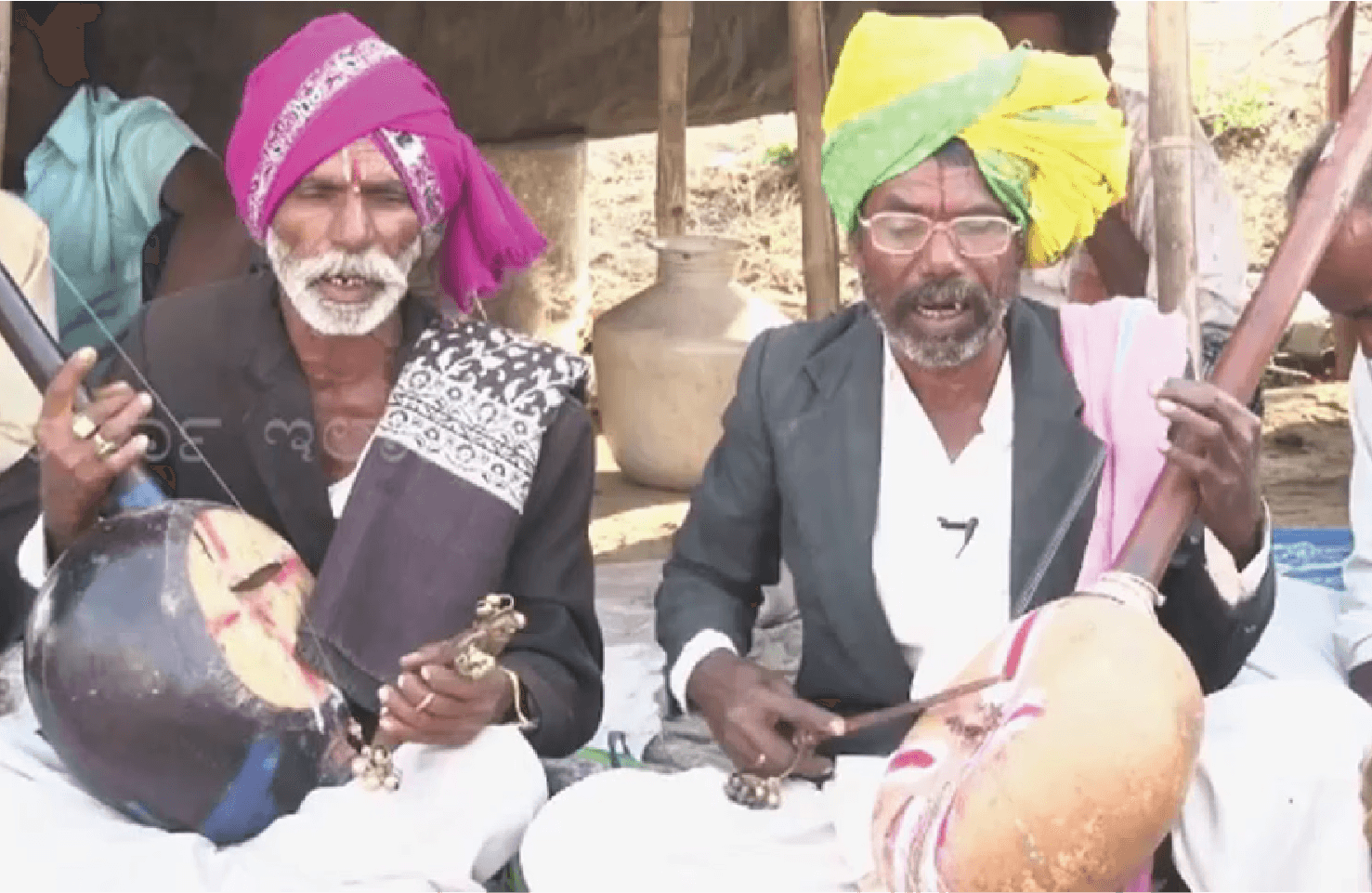
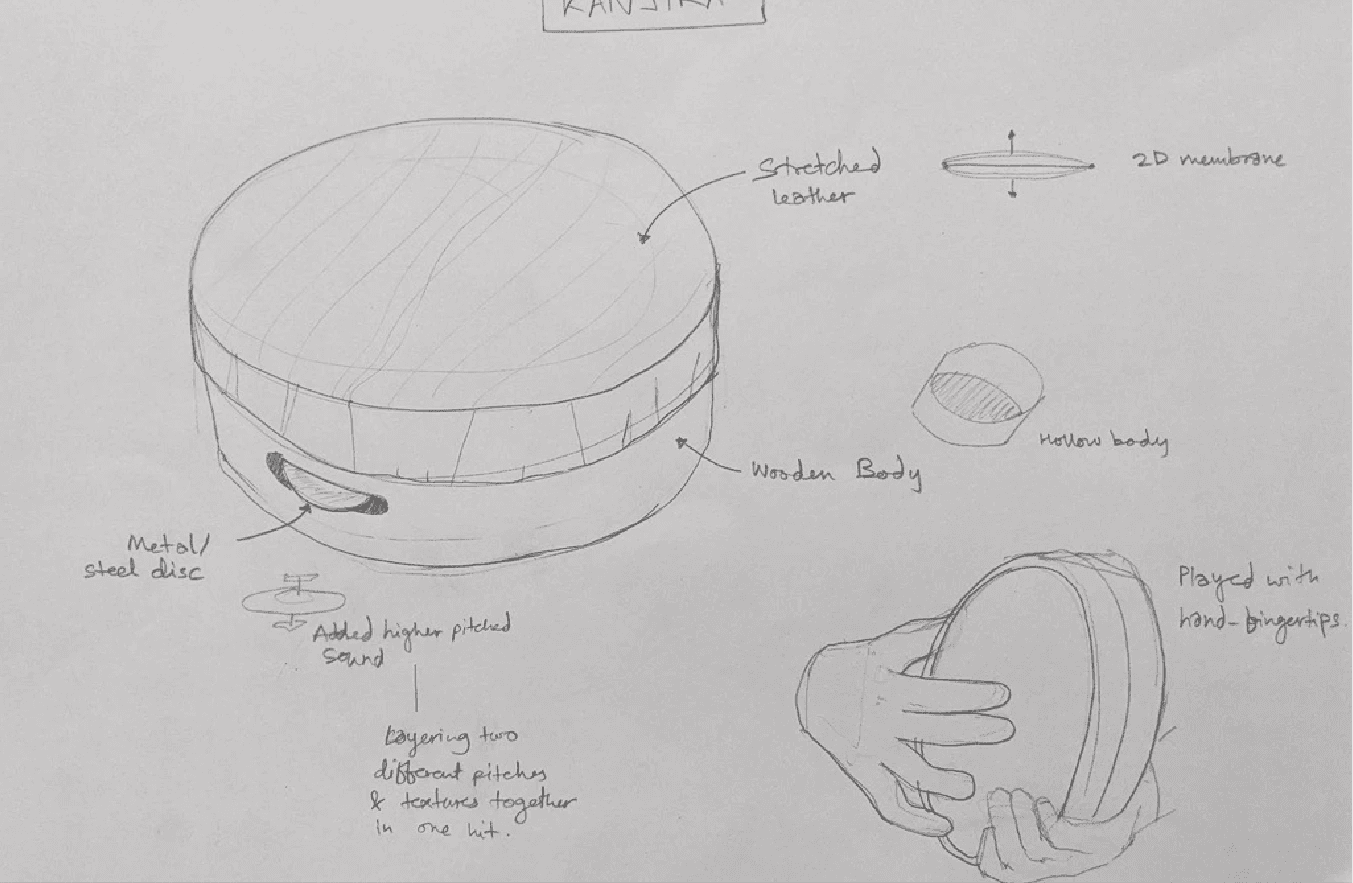
Understanding the anatomy of instruments
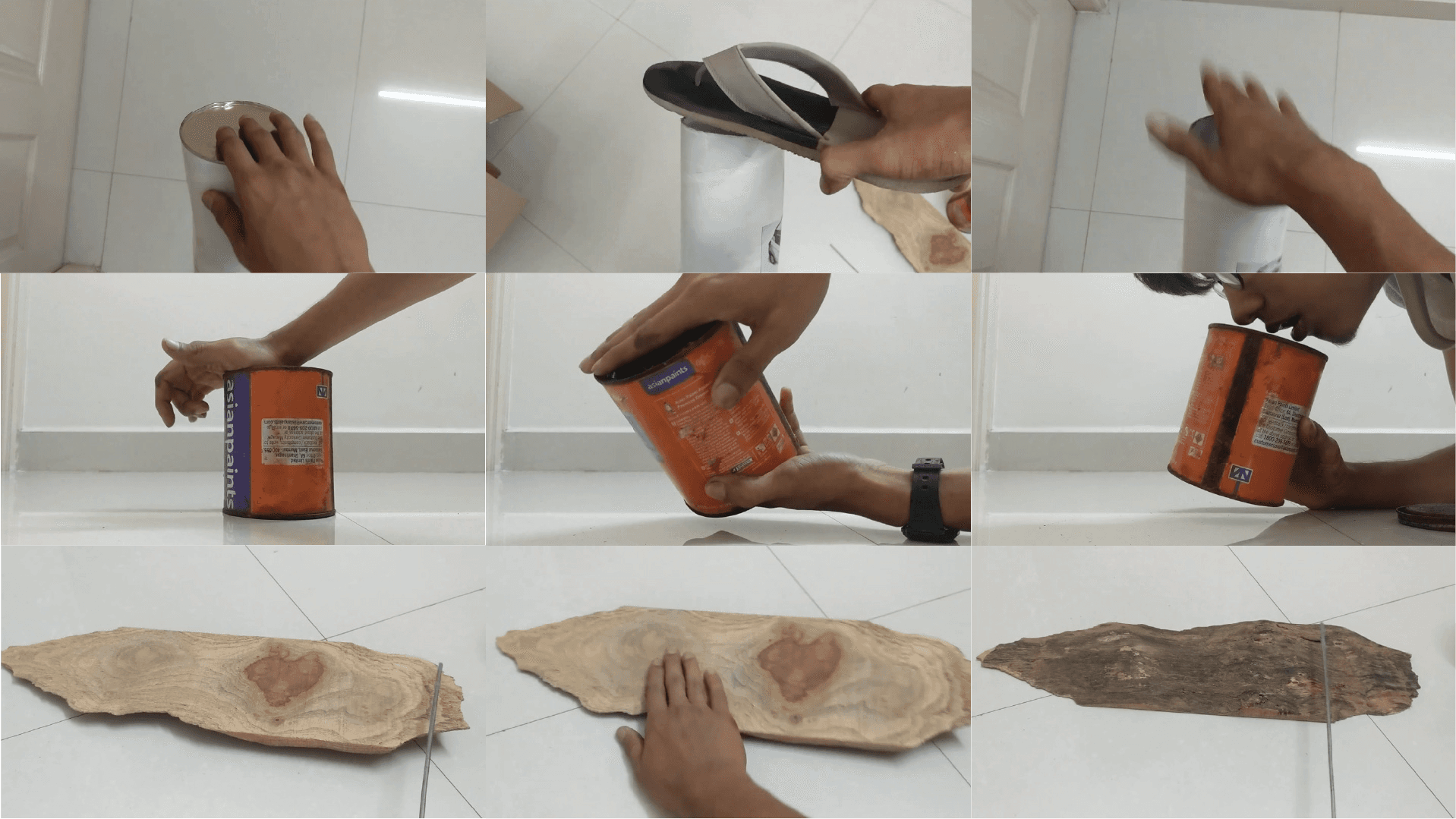
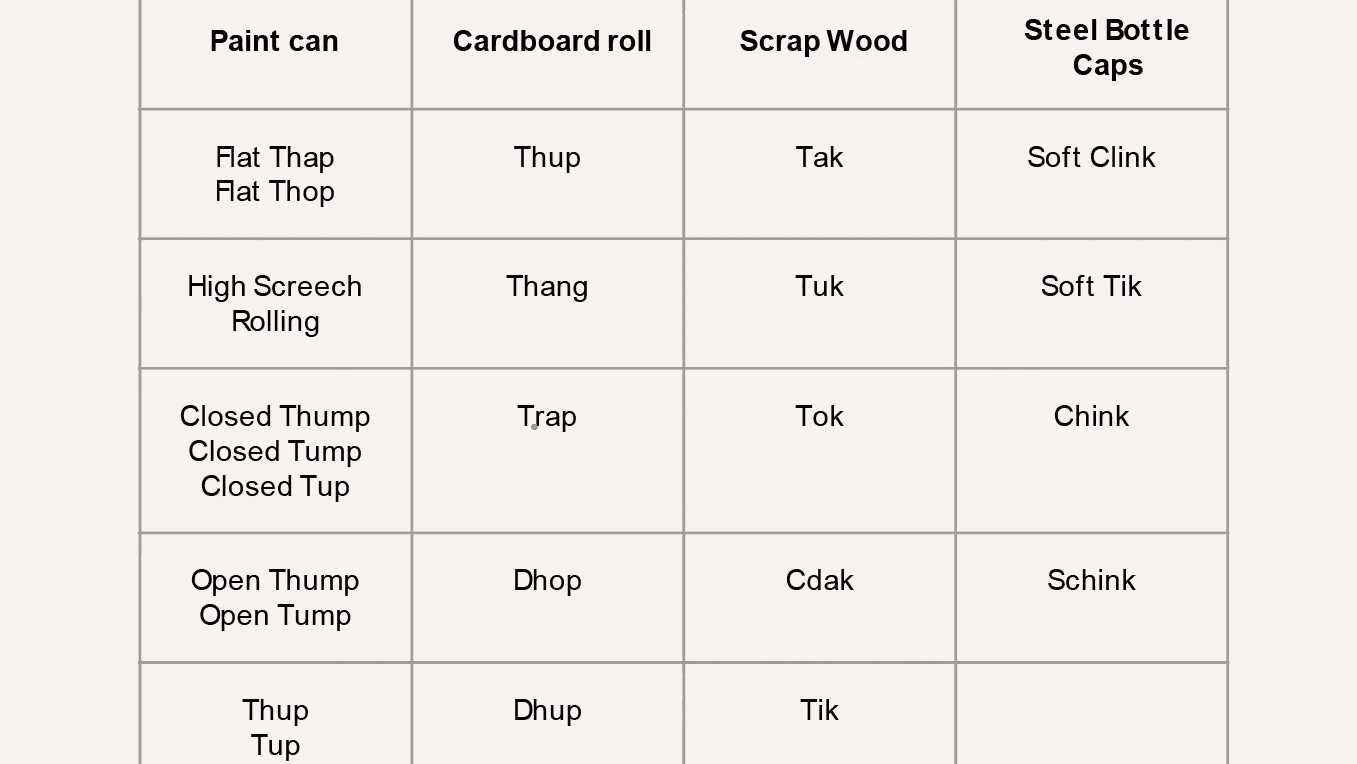
Creating an audio library of the material helped give me the vocabulary to articulate the sounds that I want better.
Prototypes and Feedback
Co-created the instruments with Sulochana and Devanna after showing them my prototypes. Their inputs helped me make better material choices and bring out a more authentic sound.
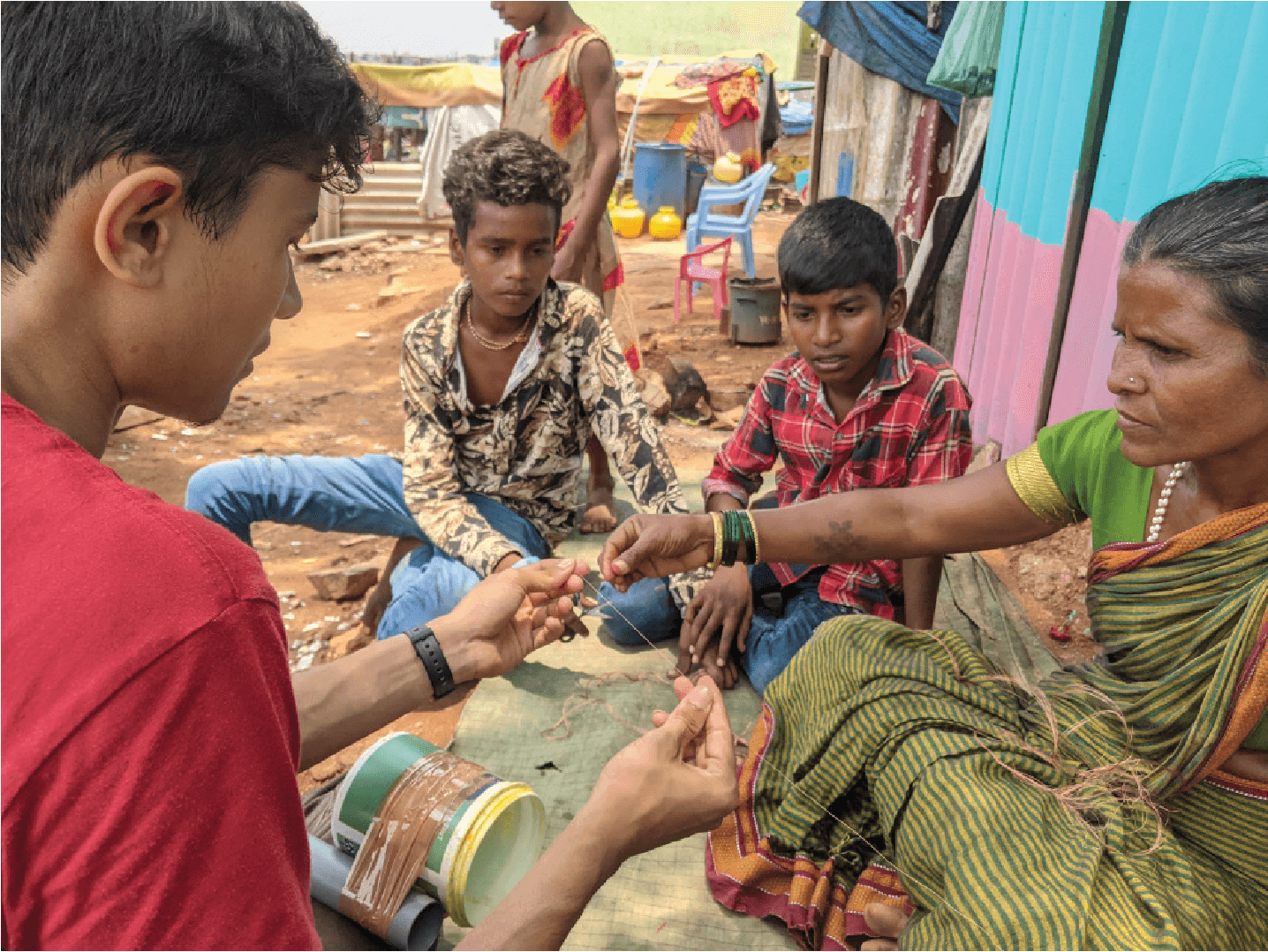
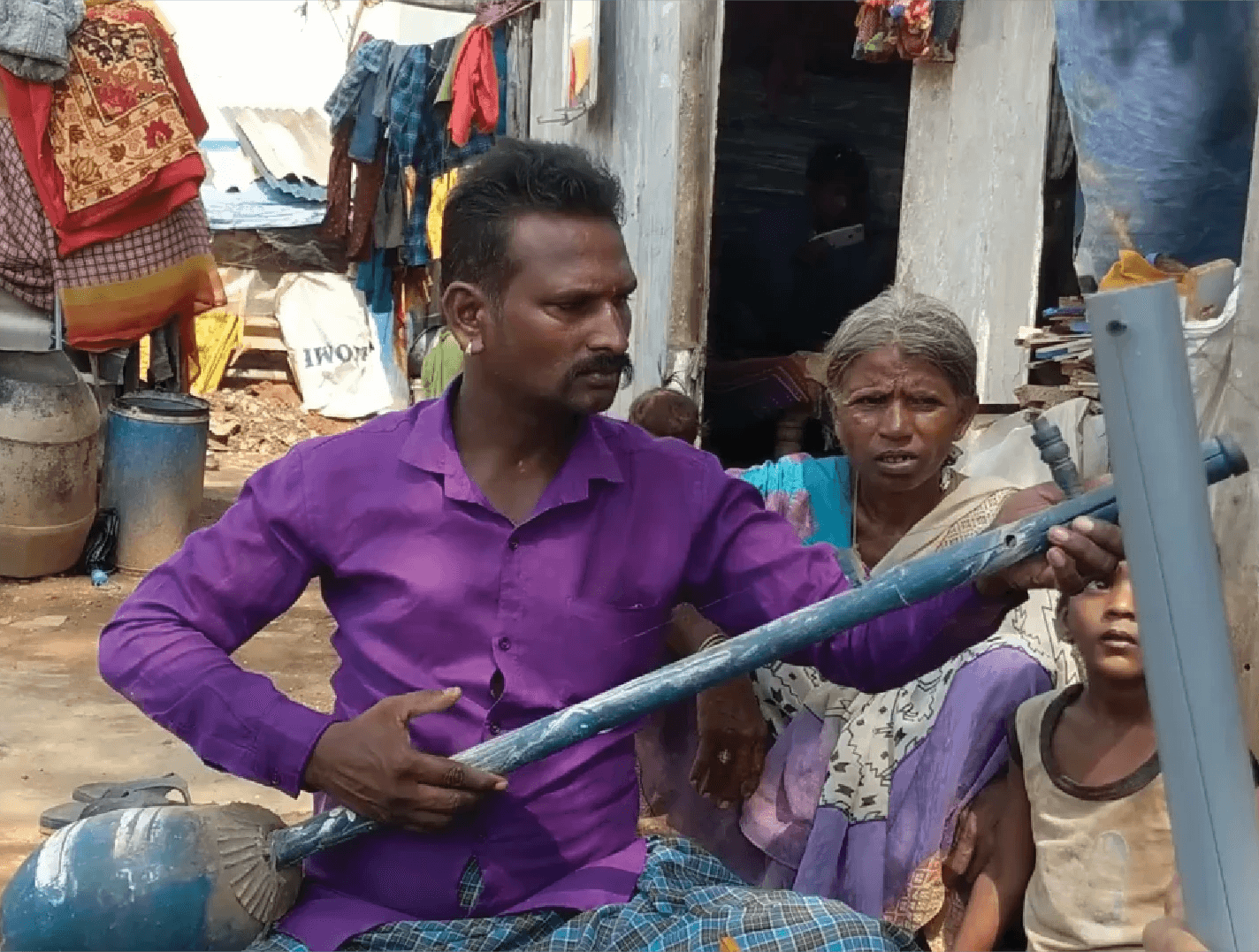
Taking feedback on material and sound from Sulochana and Devanna
Final Instruments
The final instruments include Tamburis in different sizes, a small Kanjira, and a couple of shakers.
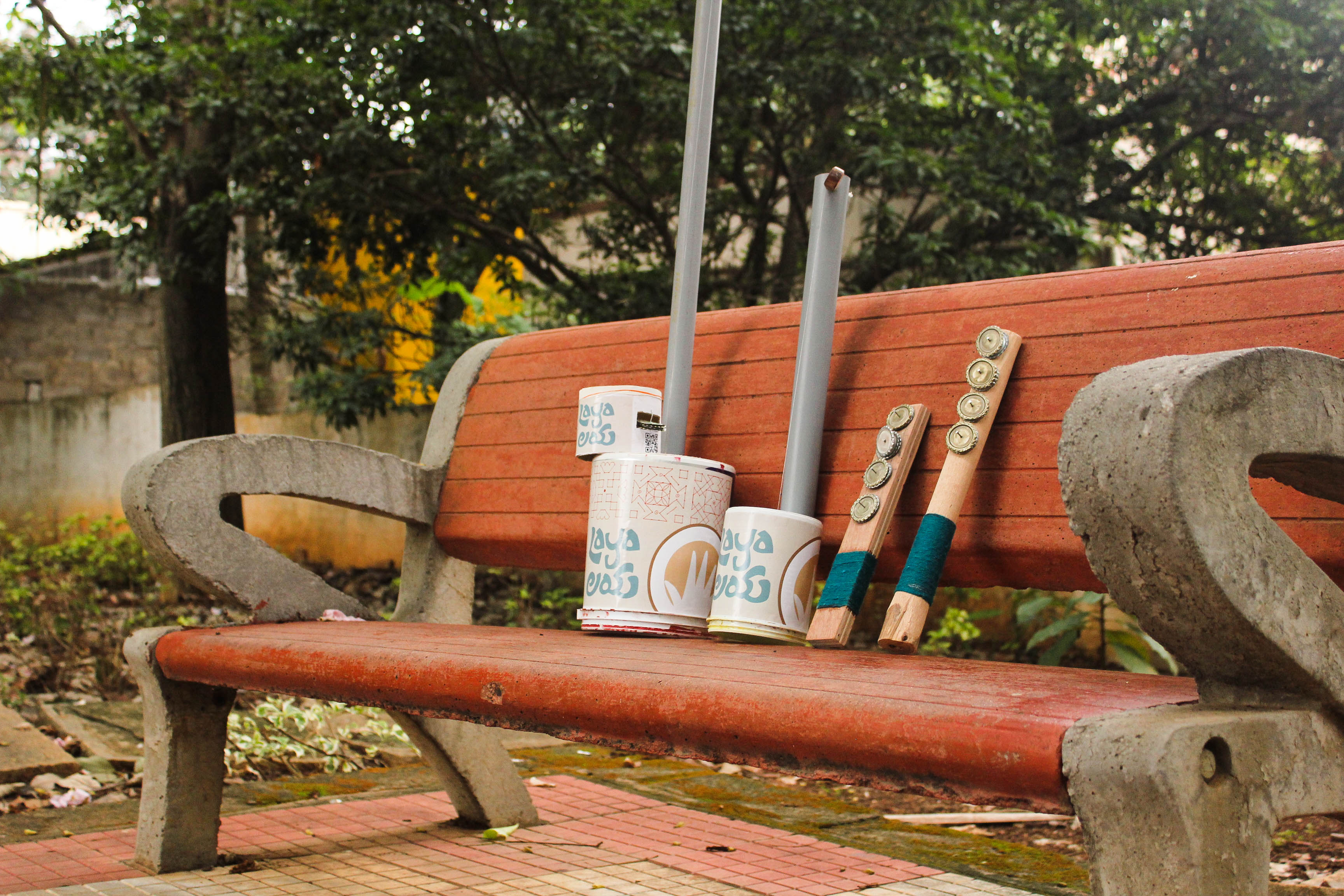
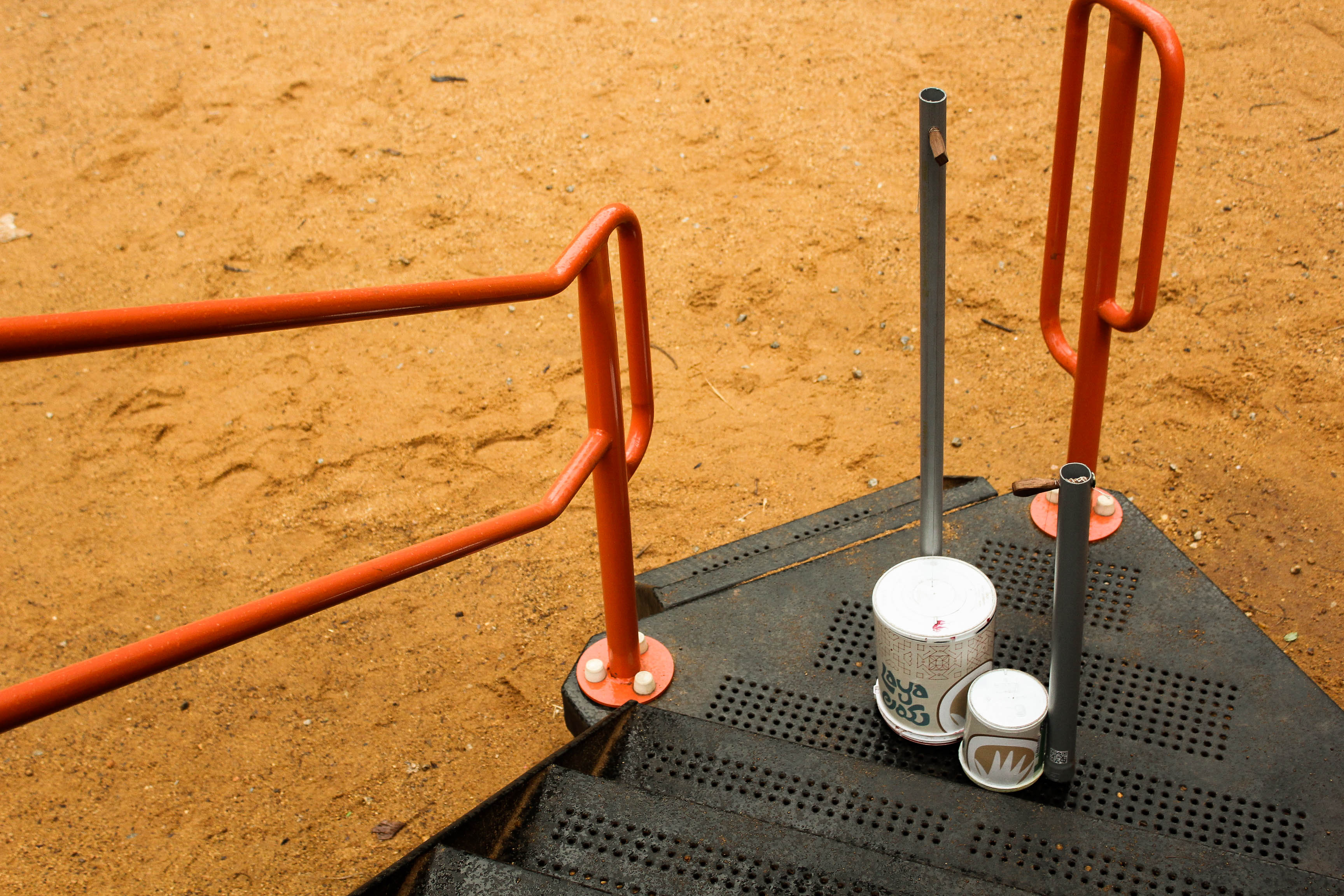
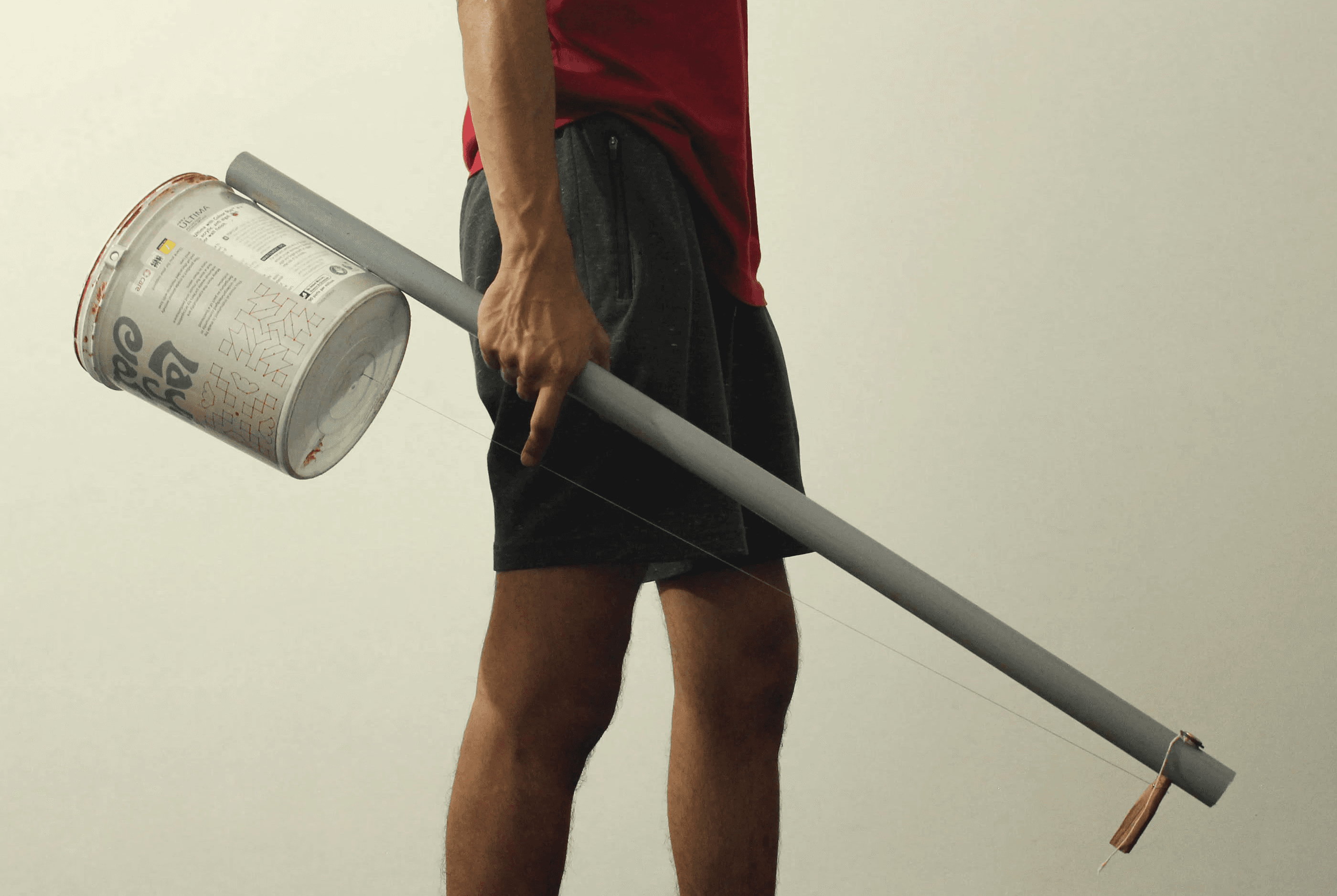
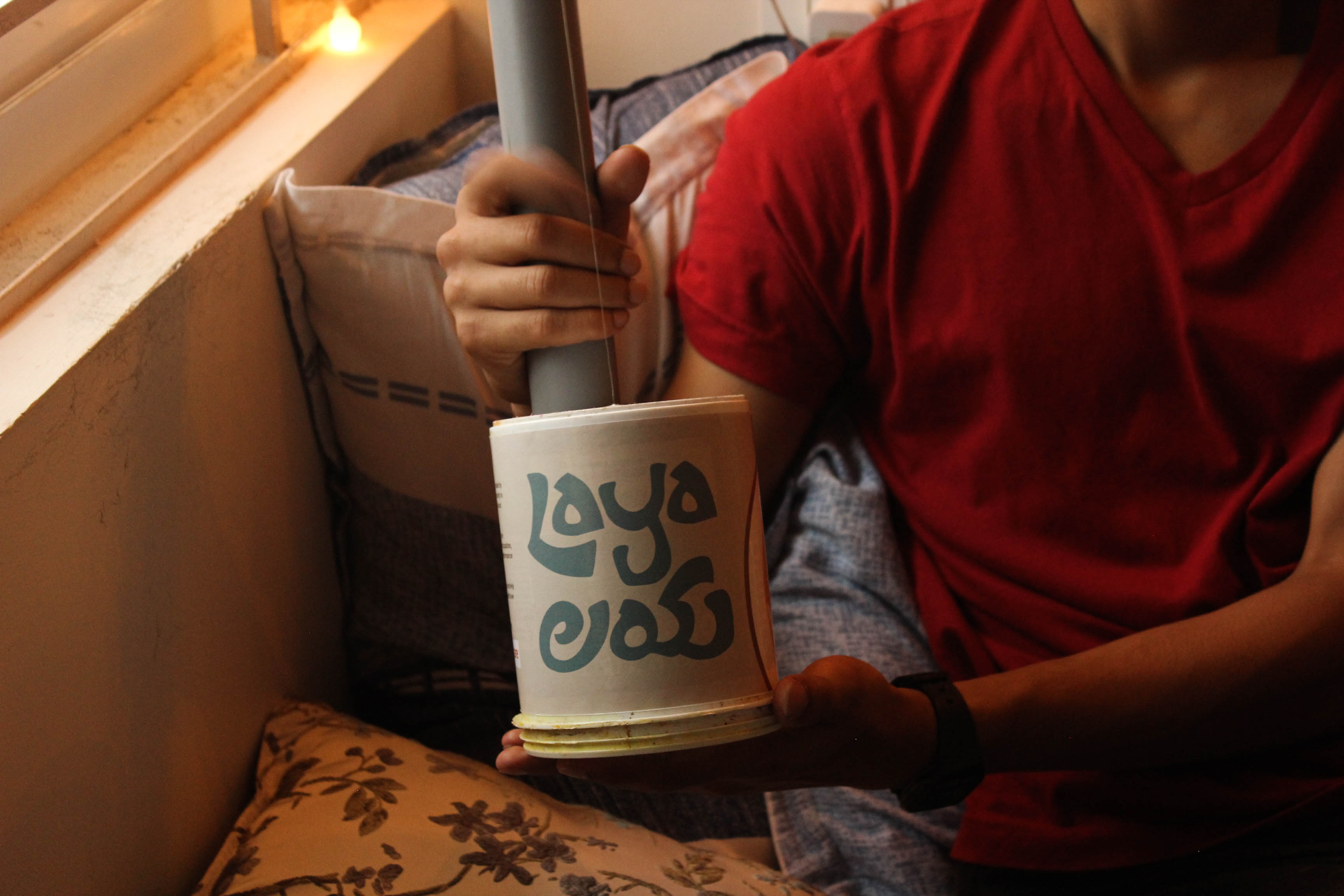
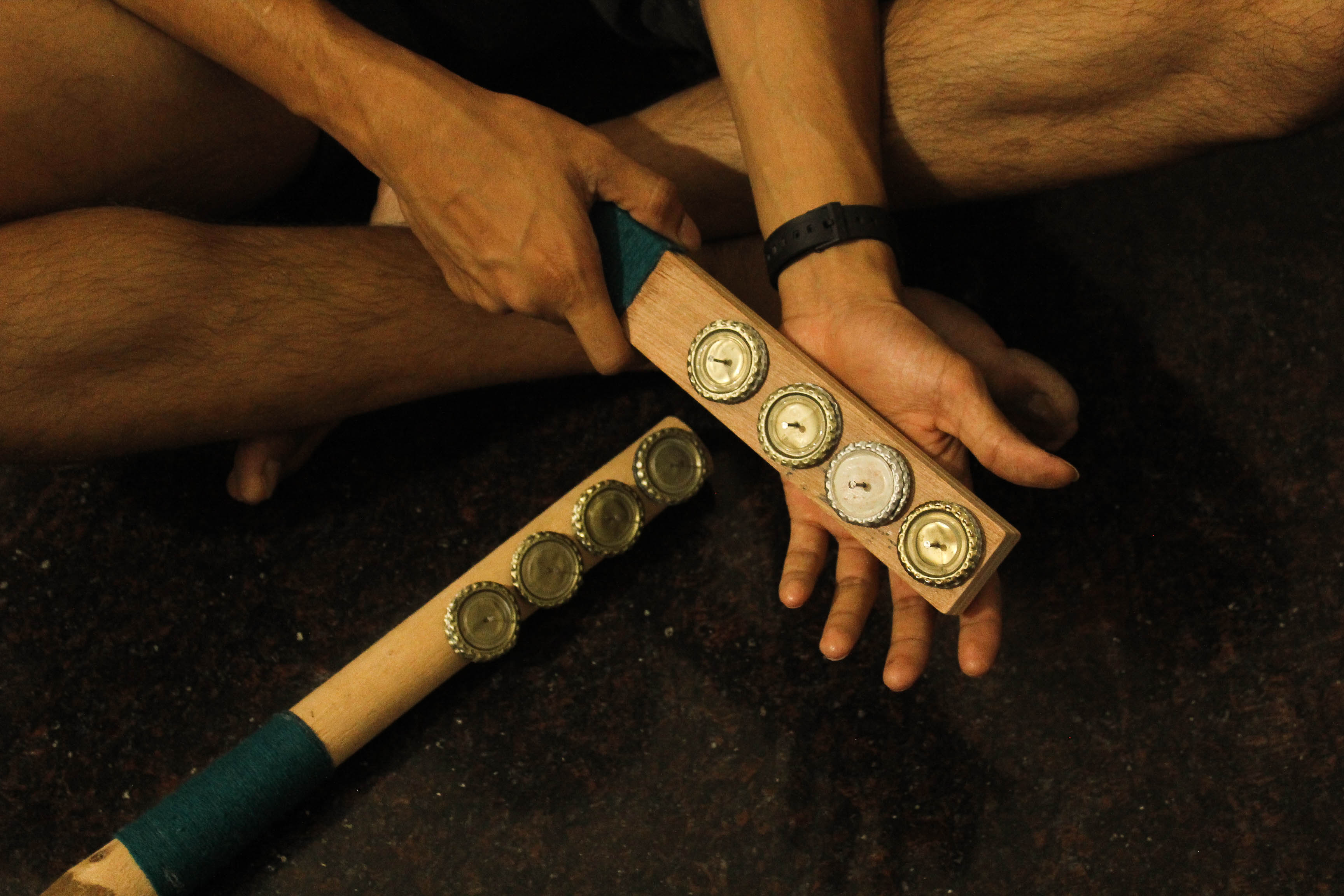
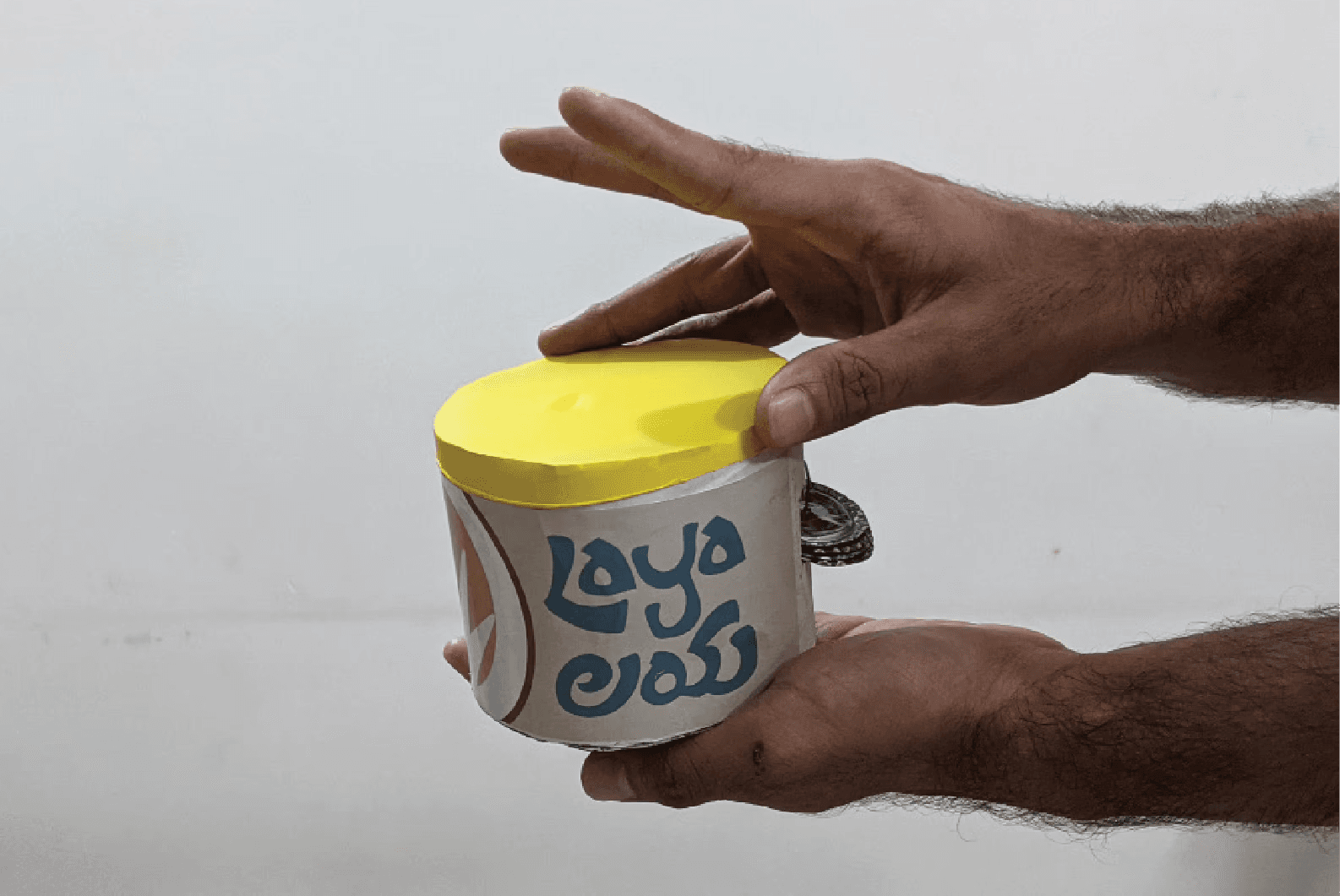
Images by Saoirse Tope.
A demo of the musical capabilities of the Mini Tamburi Ektara.
Building the System: Creating a dignified image
The final solution was a self-sustaining enterprise model offering a pathway out of daily wage volatility, assuming a stable demand for the product.
Recycled Product Line
Instruments are crafted from collected waste, directly integrating the community's existing material expertise. |
Economic Model
The estimated profit per instrument maker exceeds ₹1,000 per day, offering a significantly higher and more dignified wage than waste picking.
Branding & Identity
The brand uses local motifs (children's Kolams) and the project logo subtly references a hand on a drum head, visually affirming their artistic skill.
Visibility and Perception
A Web Platform and embedded QR codes on each instrument link the consumer to the maker's story and the project's history, forcing a direct, positive interaction between the waste creator and the artisan. |
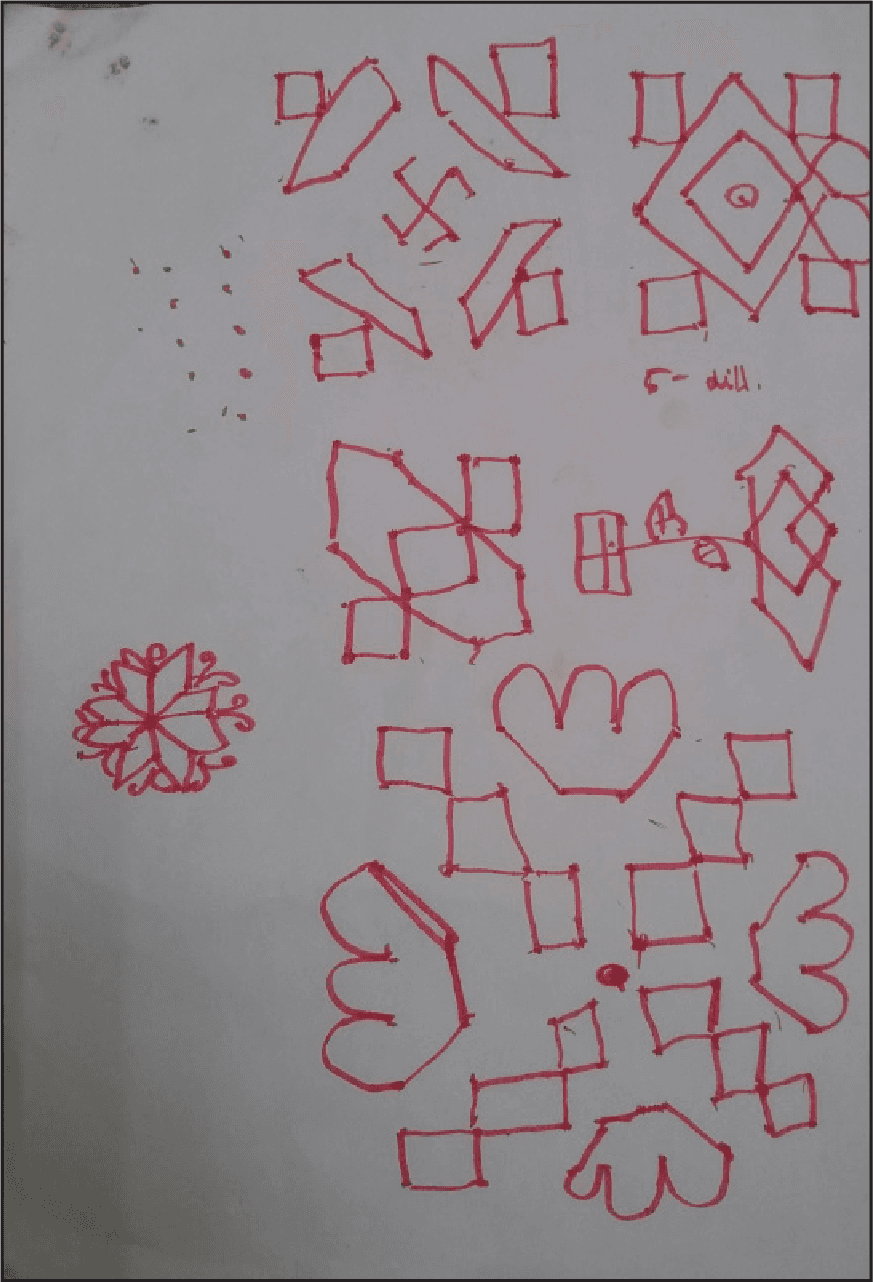
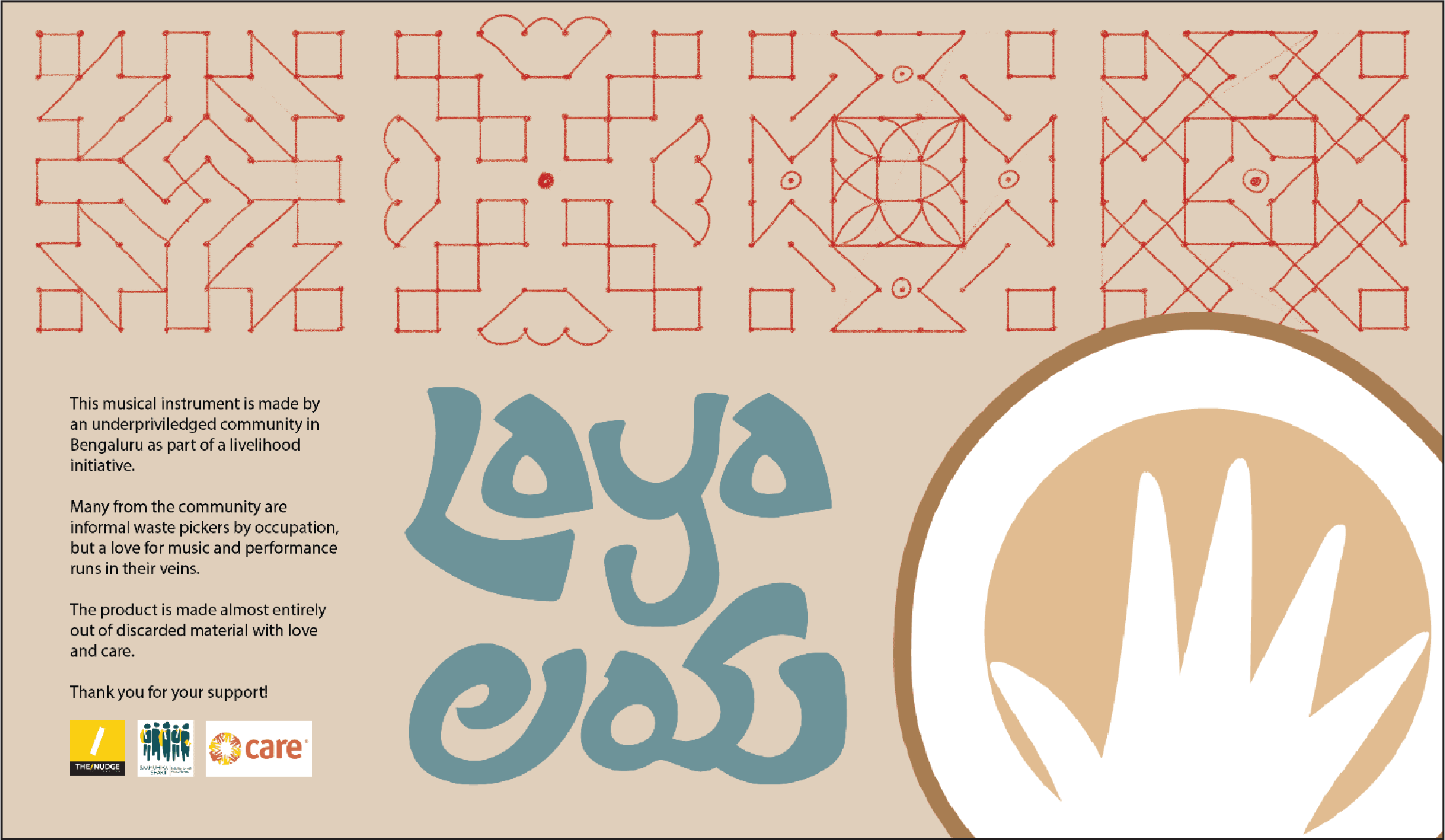
Brand elements inspired by children's Kolam art
Website
The main intent of the website is to connect the instruments to its story and its people. It fulfills the following functions:
A catalogue of instruments on sale with descriptions and cultural influence
An archive of performed songs and melodies, and spontaneous creations
Platform to facilitate collaboration and song covers with a larger community of urban musicians
Collection of stories of performers and people working to make the instruments
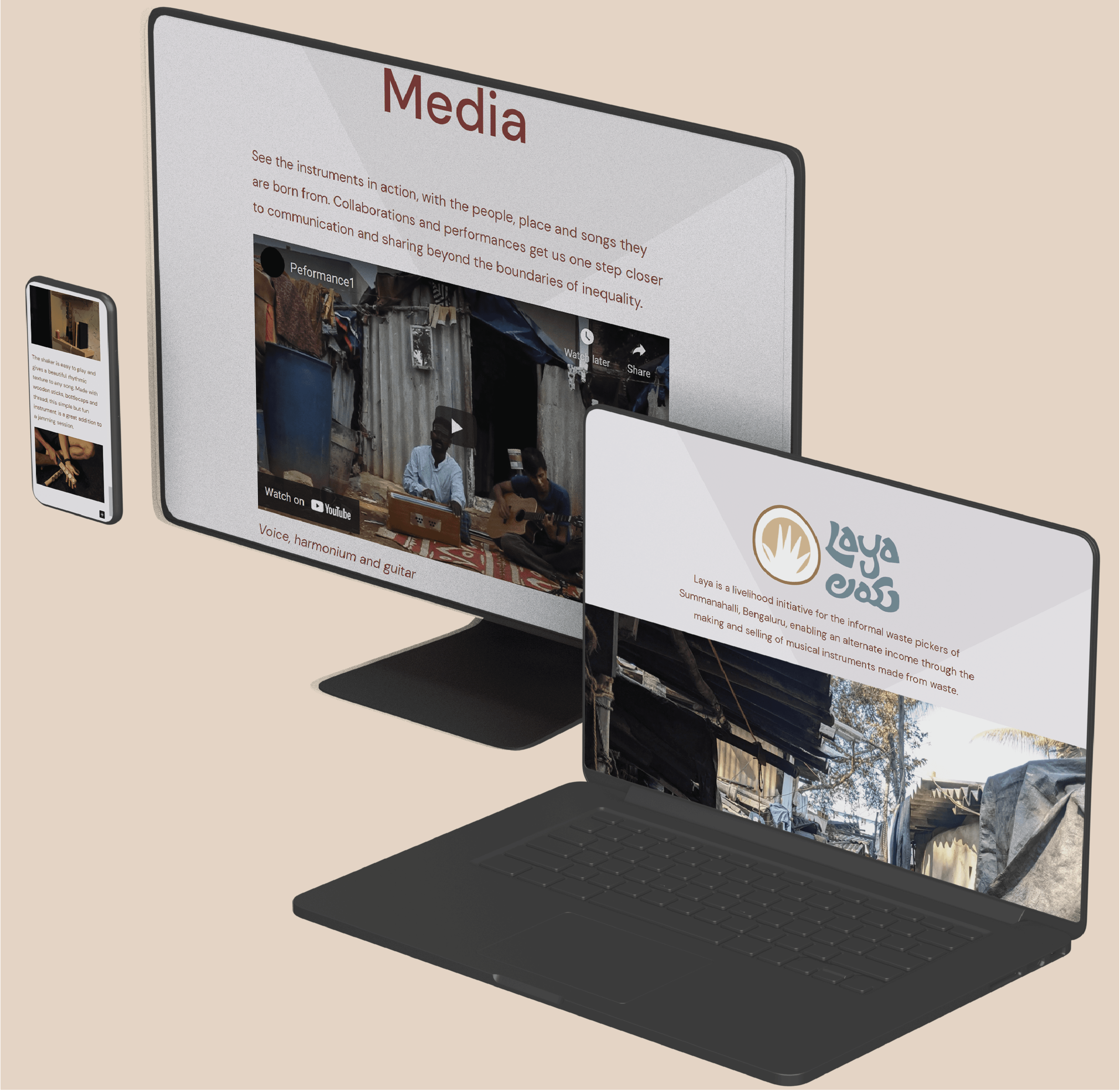
Website reachable via a QR code on the instrument documents their community and their craft.
By reframing waste material into musical instruments and performance into a business, LAYA reimagines how design can provide dignity by turning cultural heritage into economic and social currency.